


With electricity rates climbing across New Brunswick, discussions about saving money and embracing cleaner energy are taking center stage.
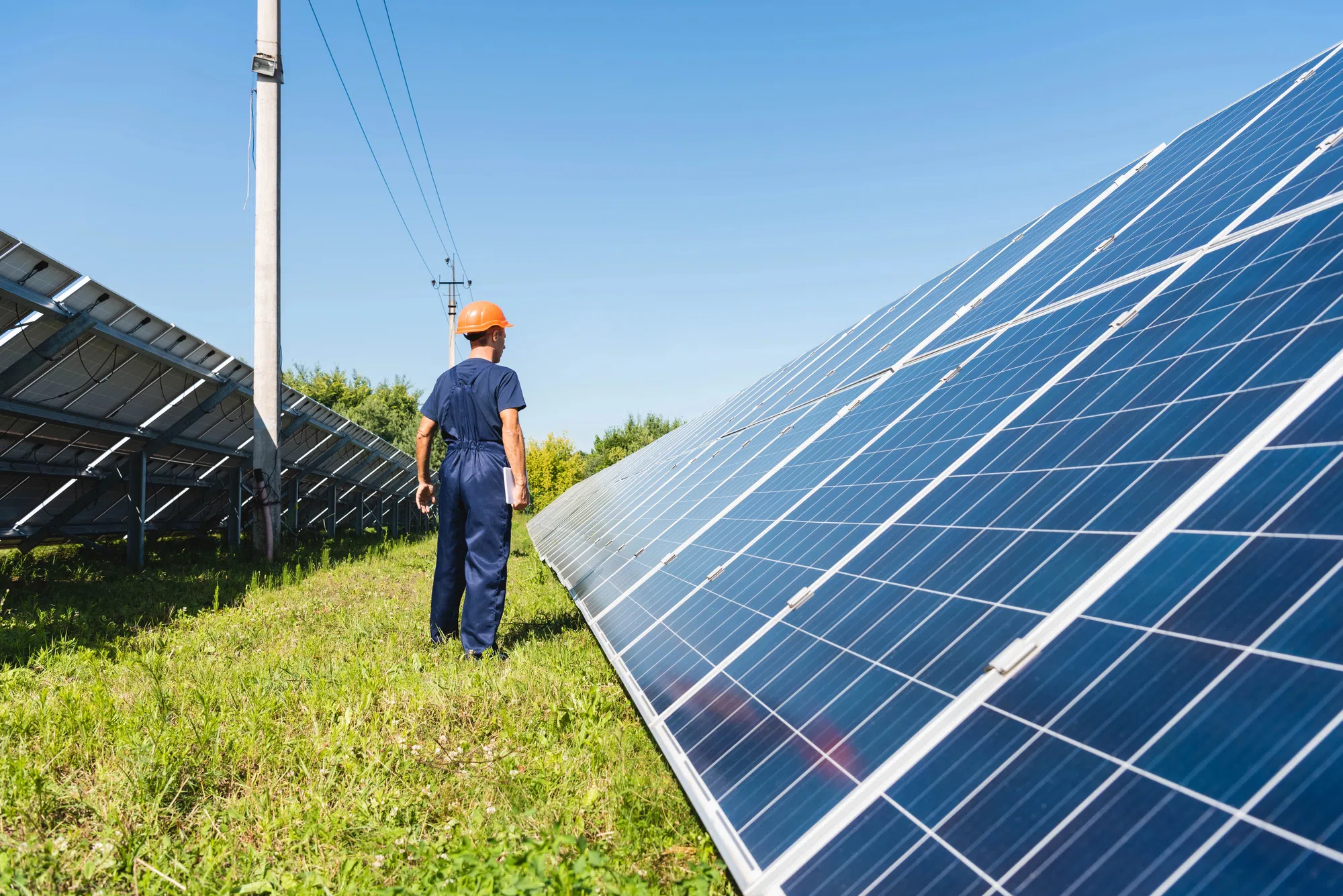
Solar power is one option being explored as a potential way to reduce energy bills and contribute to a greener electricity grid.
Jonathan Alward, vice president of policy for the Atlantica Center for Energy, explains that solar power could play a significant role in the energy transition.
“Solar isn’t a complete solution, but it can be a reliable source that aligns well to green our electricity system more quickly,” Alward said.
He added that battery storage is necessary for solar panels during times without sufficient sunlight, such as on cloudy days or at night.
New Brunswick’s clean energy plan aims to add 300 megawatts of behind-the-meter solar power by 2035.
Behind-the-meter systems, like rooftop solar panels, generate electricity directly for homes and businesses.
Balancing the grid and beyond
Alward noted that one of the challenges in scaling up solar power is its intermittent nature.
Solar panels produce electricity during the day but not at night or during New Brunswick’s short winter days when energy demand peaks.
He emphasized the importance of balancing the grid with complementary energy sources like wind power, hydroelectricity, and battery storage.
“Wind and solar can work well together,” Alward said, explaining that wind power frequently generates electricity when solar cannot.
“We’ll also continue to utilize hydro as a giant battery as much as possible.”
He mentioned that adding solar power can assist homeowners and businesses in achieving greater energy independence and alleviating concerns about outages.
Opportunities for self-sufficiency were highlighted as Alward explained how rooftop solar panels combined with battery storage enable property owners to generate and utilize their own electricity.
However, he cautioned that solar is not a “silver bullet” for the province’s energy requirements.
“In this region, we have limited sunlight during our coldest times of the year,” he said.
“But solar can still play a vital role in greening our electricity system more rapidly.”
Despite these challenges, Alward remains optimistic about solar’s future in the area.
“We’re already witnessing an increase in homes, farms, and businesses adding solar installations,” he said.
Complementing broader energy solutions
Alward acknowledged that while residential electrification often receives attention, New Brunswick’s clean energy strategy encompasses a wider perspective.
“Certain industries and businesses require specific types of energy for their processes,” he said.
“The plan recognizes the importance of every energy source, which is crucial for a balanced and realistic energy transition.”
On-peak and off-peak pricing
Alward emphasizes the potential benefits of varying electricity pricing based on demand as another way to help New Brunswickers manage their energy use and costs.
He explained that adjusting electricity rates according to demand could encourage people to cut energy consumption during peak times when fossil fuel-fired assets are most heavily relied on.
This approach could alleviate pressure on the grid while providing households with a path to more affordable electricity.
Alward pointed out that these strategies often work best when combined with other solutions such as energy efficiency programs and larger-scale renewables such as wind power.