


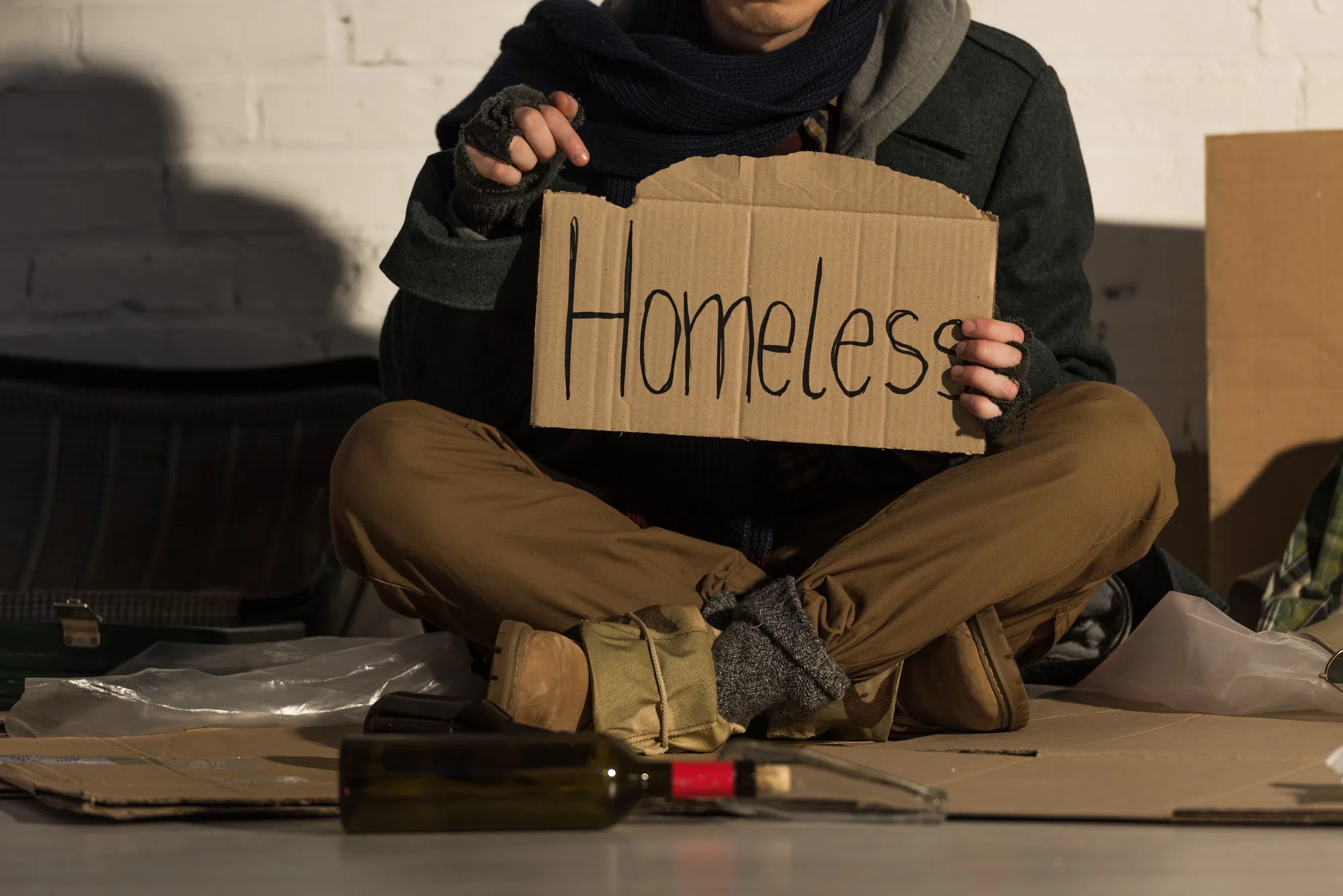
The results of the most recent Point in Time count, looking at homelessness, have been presented to Moncton city council.
The survey is done to get a national picture of homelessness. It’s a snapshot across different communities in Canada on one single night.
The benefits include the increased ability to track our homelessness trends over time, as well as improving service planning and our data-driven decision making.
The latest Point in Time Count across New Brunswick was conducted on Nov. 20, 2024, and it was the fifth one to be conducted in the province.
Eighty-six volunteers from 15 agencies took part in the count.
The survey found that 507 people were counted as experiencing homelessness, including transitional or couchsurfing on that date in Moncton.
“When asking our respondents, where are you staying tonight? 56 per cent said that they were staying in a homeless shelter, 14 per cent were unsheltered in public, and 12 per cent in an encampment. 3 per cent were unsure, 13 per cent were within that shelter and transitional housing, and 3 per cent said that they were staying at someone else’s place,” said Louise Marchand, the Moncton Coordinated Access Facilitator for the Human Development Council.
The survey also found 60 per cent of the respondents were male, 28 per cent female, and 5 per cent identified themselves as other.
The oldest person to be counted was 92 years old.
“When asking people how much time they’ve experienced homelessness in the last year, 72 per cent of our respondents were 180 days or more, so six months or more. 13 per cent were between three to six months,” Marchand added.
Forty-four per cent stated that the reason they were homeless was that they were evicted.
When asked where they were staying, 56 per cent said a homeless shelter, while fourteen per cent were unsheltered in the public, and 12 per cent lived in an encampment.
Issues, including health, were also explored. 66 per cent stated there was substance use, while 65 per cent stated they were suffering from mental health issues. 50 per cent had some sort of illness or medical condition.
Marchand also noted some startling stats from Ambulance NB: “In 2019, they administered to 188 suspected opioid overdose patients. In the same time period in 2023, that increased to 506. This represents a 269 per cent increase in just four years.”
Some of the challenges to finding housing included high rent, not enough income, and addictions or mental health issues were barriers.
Human Development Council spokesperson Greg Bishop says Moncton saw a significant spike in the number of unhoused compared to Saint John and Fredericton..
“Four times the number of people were experiencing homelessness in 2021 compared to today. When we were looking at it in 2021, there were around 180 people; now you’re above 700 on a monthly basis.”
For more details on the point in time count, visit the SJHDC website.