


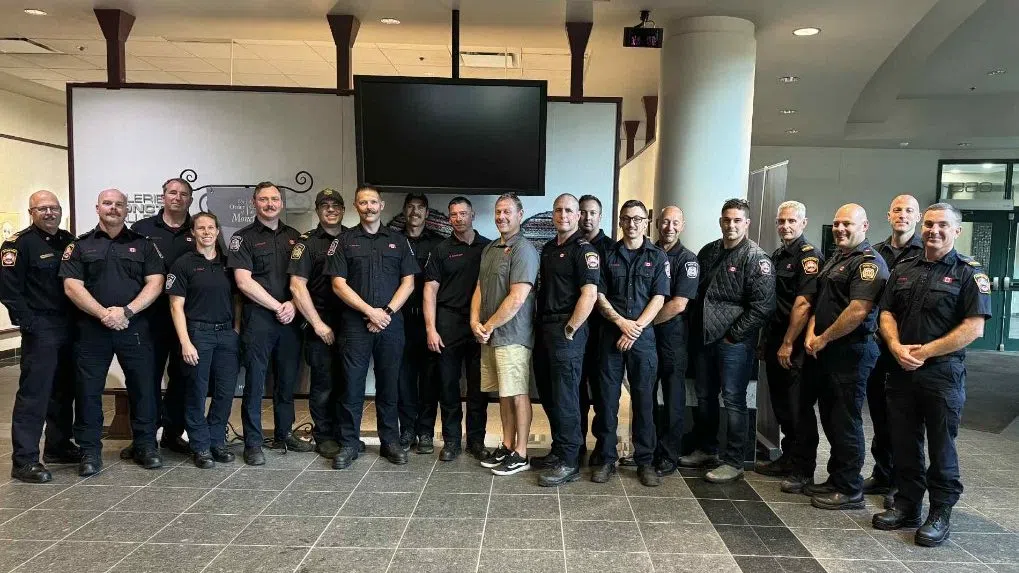
A sixth fire station and more staff, including firefighters, fire prevention and administrative positions.
Those are just a couple of the 64 recommendations from a 350-page study presented to Moncton city council on Monday.
The recommendations come with an estimated price tag of $200 million over 15 years.
Project Lead Guy Degagne from Emergency Management Group, which is based in Ontario, outlined the findings of the study.
They were contracted by the city in 2024 to analyze the current and future needs of the Moncton Fire Department.
Study findings
It stated the fire department responded to around 8,000 calls per year on average between 2022 and 2024. Those calls ranged from structure fires to motor vehicle collisions, ambulance/medical assistance-related related and public assistance services.
The anticipated growth in Moncton will mean an even bigger increase in calls. The department saw an increase of 1,347 calls for service between 2023 and 2024, and in the first month of 2025, firefighters responded to 200 more calls year over year.
The study examined all aspects of the Moncton Fire Department’s operations, including planning, prevention, education, training, communication, maintenance, staffing and budgeting.
It also focused on identifying vulnerabilities related to fire and emergency services in the city and provided recommendations that include risk mitigation strategies and associated corrective actions.
Some of the major recommendations include the addition of a sixth fire station and the relocation of three others.
The study also calls for the addition of a rapid response vehicle, which would reduce wear and tear on the larger trucks because it could be used to go to medical calls, which account for around 53 per cent of the Moncton Fire Department’s calls.
More firefighters recommended
Another major recommendation is adding around 76 more members in various roles, bringing the number of staff in the department to 200.
“This is really daunting. We have talked about a few things over the last number of years, the growth and so on. What this does is put it into perspective, and that’s really important in terms of having a plan,” Coun. Charles Leger said.
He compared it to policing, stating it mirrors what they’ve had to do. “For a number of years, for a variety of different reasons, we didn’t keep up with the demand, and so over the last several years we increased by a large number of officers of the Codiac Regional police.”
One of the additional roles the study calls for is in fire prevention. It said that the Moncton Fire Department does not have a structured Fire and Life Safety Education Program, which should be a priority. It calls for the hiring of a full-time Fire and Life Safety educator.
The number of proposed high-rise buildings in the city is also concerning for the department. Based on the current number of firefighters on duty at one time, they are below the National Fire Protection Association standard. The department currently has 22 on duty per shift, but the standard calls for as many as 38, especially in the situation of a high-rise fire.
The study also suggests that training needs to be updated. It states that the current tower at the St. George station, which was built in 1962, is outdated and doesn’t meet the current demands.
Implementation plan coming
Councillor Bryan Butler requested that the union be invited to sit down with council to go over which recommendations the members would like to see implemented first.
“I would really like to hear both sides,” Butler said.
The study also looked at some of the strengths, weaknesses, opportunities and threats, including social issues and security concerns, with staff not wanting to transfer to some stations.
“As I went through the report, I think the biggest thing that really stuck out was the social issues and how they are affecting this crew sitting before council today. The impact of the social issues on these folks here is massive. Mental health alone must be straining on the members,” Councillor Shawn Crossman expressed.
After over 90 minutes, including the study presentation and discussion from council, a motion was unanimously approved by all councillors.
The motion directs staff to provide their feedback by the end of September, along with a 15-year implementation plan with costs, advantages and disadvantages of each recommendation by the end of the year.